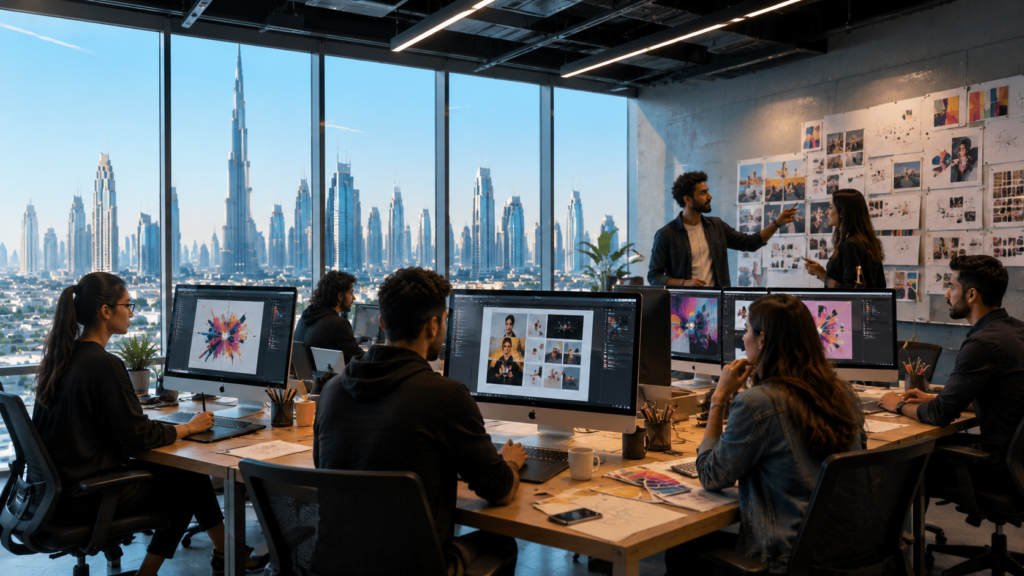
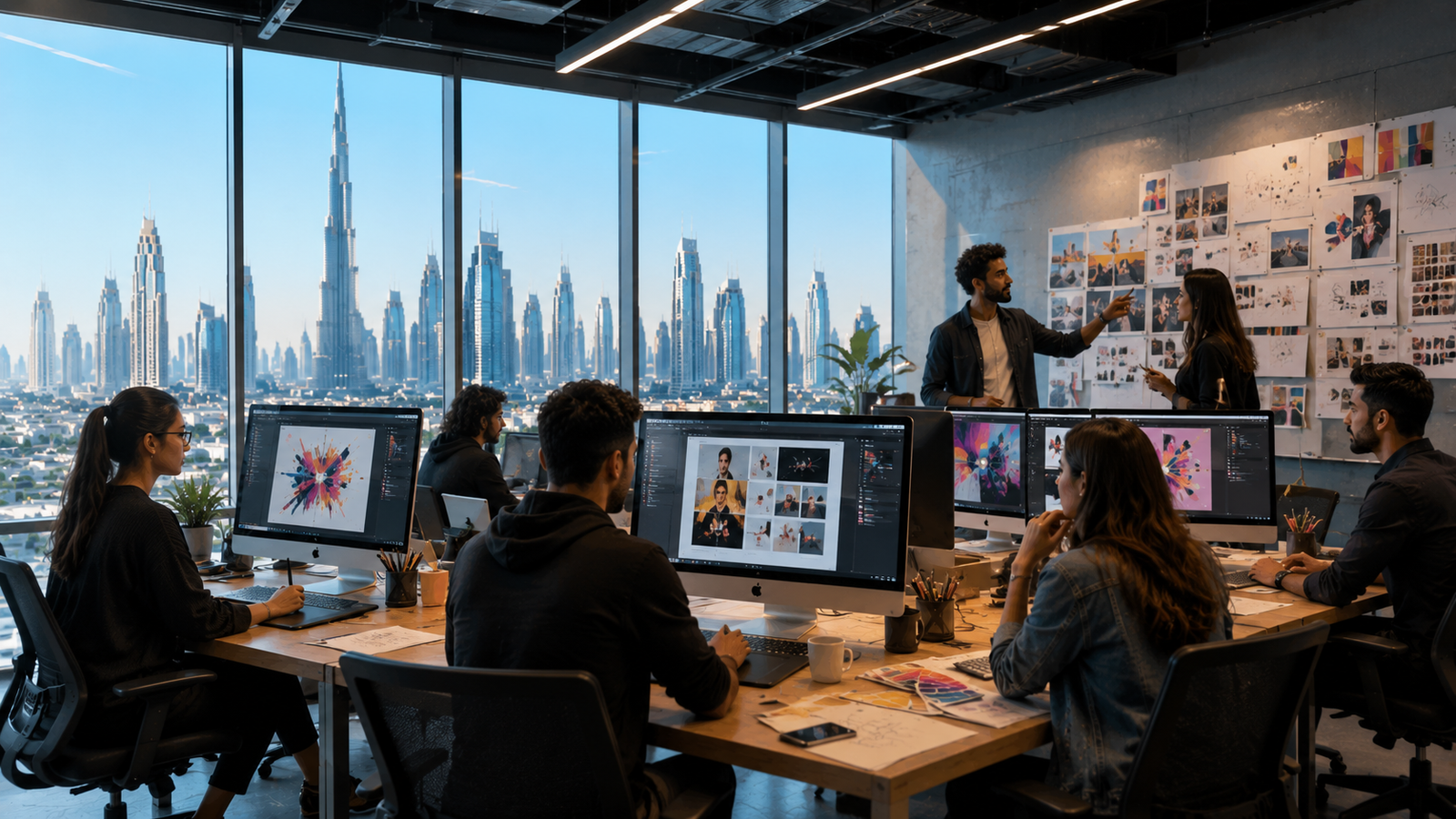
Walk into almost any advertising agency in Dubai and you’ll notice something quickly: the design team is always busy. Between client calls, campaign deadlines, and last-minute revisions, designers here rarely get a slow day. That’s exactly why graphic designer jobs in advertising agencies in Dubai keep popping up on job boards month after month. Brands need visuals that stop the scroll, and someone has to make that happen.
If you’re a fresh graduate trying to break in, or a working designer thinking about a move, Dubai has a lot going for it. There’s a real mix of agencies here, from big international networks to small local studios, and each one offers something different. Let’s get into what the job actually looks like, what skills matter, and how you can put yourself in front of the right people.
Why Dubai’s Advertising Industry Needs Graphic Designers
Dubai isn’t short on advertising agencies. You’ve got local shops, regional players, and global networks all competing for the same clients, whether that’s a real estate developer launching a new tower or a hotel chain running a summer promotion. All of them need visuals, and they need them fast.
What makes Dubai different is the scale of these campaigns. A single project might need to run in Arabic and English, get resized for five different platforms, and still respect local cultural norms. That’s not a one-person job that finishes in an afternoon. It’s ongoing work, which is part of why hiring in this space stays active almost year-round.
What Does a Graphic Designer Actually Do in an Advertising Agency
The job title sounds simple, but the day-to-day is anything but. Agency designers aren’t just making things “look nice.” They’re solving a communication problem with visuals, usually under a deadline, and usually while juggling more than one project at once.
On a typical day, you might design an Instagram carousel in the morning, jump into a print ad layout after lunch, and wrap up with feedback on a brochure that’s going to print tomorrow. Designers also sit in on brainstorms, because agencies want ideas from everyone in the room, not just the creative director. That mix of pressure and creative input is honestly what draws a lot of people to graphic designer jobs in advertising agencies in Dubai in the first place.
Key Skills Agencies Look For
Job listings in Dubai tend to repeat the same requirements, so it’s worth knowing what recruiters are actually scanning for:
- Solid hands-on experience with Photoshop, Illustrator, and InDesign
- A real understanding of layout, typography, and color, not just default templates
- Some exposure to After Effects, since motion is becoming a standard ask
- The ability to hit deadlines without the work looking rushed
- Enough communication skill to explain your design choices to a client, not just execute a brief
Agencies also notice who’s paying attention to design trends. A designer who’s still using 2019 layout habits stands out for the wrong reasons.
Types of Advertising Agencies Hiring in Dubai
Not every agency operates the same way, and picking the right type matters more than people think. Full-service agencies handle a client’s entire strategy, from research to final production, so you’ll touch a wide range of work. Digital-first agencies live and breathe social media, which suits designers who like fast turnarounds and constant new formats.
Then there are boutique agencies, usually smaller teams working with niche clients. Less structure, sometimes more creative freedom. Some designers gravitate toward the big networks like WPP or Publicis for the career ladder and international client exposure, while others prefer a boutique setup where they can actually own a project from start to finish. Neither path is “better,” it just depends on how you like to work.
Top Advertising Agencies Hiring Designers in Dubai
A handful of names come up again and again when designers talk about agency work in Dubai. Impact BBDO, FP7 McCann, Leo Burnett, and Publicis Groupe all run sizable regional offices and hire fairly regularly, whether for permanent roles or campaign-based contracts.
But don’t overlook the smaller, homegrown agencies either. Plenty of them work directly with local businesses and government initiatives, and that kind of exposure can actually round out a portfolio nicely. It’s worth checking career pages of both the big networks and the independent studios on a regular basis, since smaller agencies don’t always post on the big job boards.
In-House vs Agency: What’s the Real Difference
This question comes up a lot, especially with designers who’ve only worked one side of it. Agency roles throw you into multiple clients and industries at once, so you learn fast and build range quickly. In-house roles keep you focused on one brand, digging deeper into its identity and long-term strategy.
Agency work usually moves faster and feels more varied day to day. In-house tends to be steadier, with more time to really understand a single brand’s voice. Neither is wrong, it really comes down to whether you’d rather have variety or depth.
Average Salary for Graphic Designers in Dubai Advertising Agencies
Money is obviously a big part of this decision, so here’s a rough breakdown. Entry-level designers with under two years of experience usually land somewhere between AED 4,000 and AED 6,000 a month. Once you hit the three-to-five-year mark, that range moves up to AED 7,000 to AED 10,000, depending on your portfolio and how comfortable you are across different software.
Senior designers, especially those moving into art direction, can push past AED 12,000, particularly at agencies handling big regional accounts. Plenty of designers also pick up freelance work on the side to add to their income, which is fairly common in Dubai’s creative scene.
What Else Affects Your Salary Besides Experience
Years on the job matter, sure, but they’re not the only factor. Agency reputation counts for a lot. A designer at a large international network handling global accounts will often out-earn someone at a small boutique working with local clients, even with similar experience.
The complexity of the accounts you’re assigned matters too, since designers on high-profile campaigns tend to have more room to negotiate. Where the agency is based can play a small role as well, with offices in Dubai Media City or Internet City sometimes offering slightly better packages. And if you’ve got a specialty like motion graphics or 3D design layered on top of standard skills, that usually bumps your value up too.
Freelance vs Full-Time: Which One Makes Sense
Freelancing has picked up a lot of momentum among Dubai’s designers, mostly because it offers flexibility that a full-time desk job can’t. You get to work with different clients, try out styles you wouldn’t normally get to explore, and build a second income stream outside your main job.
Full-time roles still have their appeal though, especially visa sponsorship, health insurance, and a paycheck that lands the same day every month. That stability matters a lot when you’re new to the city. A good number of designers actually do both, freelancing on evenings or weekends while holding down a full-time agency role.
Remote and Hybrid Work: Is It Actually a Thing Here
It’s slowly becoming more normal, particularly at digital-first agencies. Client-facing roles still tend to require office time, but a lot of pure design work, like layout, editing, or asset creation, can genuinely happen from home without hurting the output.
Hybrid setups are usually reserved for designers who’ve already proven themselves reliable over time. If you’re fresh out of university, expect to be in the office more often at the start. Agencies want to see you in person while you’re still learning how their workflow operates.
How to Build a Portfolio That Actually Gets Noticed
Your portfolio will do more heavy lifting than your CV, full stop. Agencies in Dubai don’t just want to see polished final images, they want to understand how you got there. That means showing your thinking, not just the output.
Mix it up with branding work, social campaigns, and print pieces if you have them. No agency experience yet? Personal projects or a rebrand concept for an existing company works just as well to show what you can do. And resist the urge to pad your portfolio, five strong pieces beat fifteen mediocre ones every time.
Tips for a Standout Design Portfolio
- Keep the website itself clean and quick to browse, recruiters don’t have time to dig
- Add a short case study for each project explaining the brief and your approach
- Remove old work regularly so your best skills are what people see first
- Include a couple of projects that lean specifically into advertising or campaign work
Common Portfolio Mistakes to Avoid
- Filling the page with five versions of basically the same project
- Posting final designs with zero context, leaving the recruiter guessing
- Leaving in outdated work that no longer matches your current skill level
- Forgetting that most recruiters will open your site on a phone, not a laptop
Recruiters here often make a shortlist decision in under a minute. That first impression really does count for a lot.
Where to Find Graphic Designer Jobs in Advertising Agency in Dubai
Bayt, Naukrigulf, and LinkedIn are still the go-to platforms for advertising roles across the UAE. A lot of agencies also list openings directly on their own websites, so following your target agencies on social media isn’t a bad idea if you want a head start on new listings.
Networking honestly matters more here than in a lot of other markets. Showing up at design meetups, agency open days, or industry events can get you a direct conversation with a creative director, and sometimes that leads to roles that never even get posted publicly.
Recruitment agencies that specialize in creative talent are another route worth trying. They usually have existing relationships with agencies and can match you to something that fits your level, which saves a lot of back-and-forth during the search.
Visa and Work Permit Basics for Designers
If you’re coming in from outside the UAE, it helps to understand the visa side early. Most full-time agency jobs include sponsorship as part of the offer, covering your work permit and residency.
Freelancers work a bit differently and usually need a freelance permit through one of Dubai’s free zones, Dubai Media City being the obvious one for creative professionals. Knowing this ahead of time means fewer surprises once an offer actually comes through.
Common Challenges Designers Face on the Job
It’s not all smooth sailing. Deadlines get tight, especially around big campaign launches or seasonal pushes like Ramadan or Dubai Shopping Festival. Learning to manage multiple projects at once without burning out is a real skill you’ll need to develop.
Cultural sensitivity is another thing to keep in mind. Campaigns here often reach a wide mix of audiences across the Gulf, so understanding local customs matters, and getting it wrong can be a costly mistake. Agencies usually guide you through this, but showing that awareness in an interview definitely helps your case.
And then there’s feedback. Revisions are just part of agency life. Designers who take notes well and adjust quickly, without getting defensive, tend to earn more trust from their teams over time.
Career Growth Opportunities for Graphic Designers
Nobody stays a junior designer forever, at least not if they’re putting in consistent work. Most people move toward senior designer, art director, or eventually creative director roles within a few years.
Moving Into Art Direction
This is usually the next logical step for designers who enjoy shaping the overall visual direction of a campaign, rather than just producing individual pieces. It means managing junior designers, presenting to clients directly, and keeping everything visually consistent across a project.
Specializing in a Design Niche
Some people go the other way and dig deeper into one lane, like branding, motion graphics, or digital advertising specifically. Specializing like this can actually open doors to better-paying, more selective roles down the line.
Going Freelance or Consultancy
And some eventually step away from agency life altogether once they’ve built a strong enough network and reputation. Whichever path you take, staying curious about new tools and trends tends to keep you moving forward.
Worth Getting Certified? Courses That Add Value
A design degree is still the standard entry point, but extra certifications can genuinely give your application an edge in a crowded market. Courses in UI/UX, motion graphics, or the Adobe Certified Expert track tend to catch a recruiter’s eye during shortlisting.
Even short courses through Coursera or local design institutes help you stay current. Agencies like seeing that initiative, it signals you’re actually interested in the craft, not just clocking hours.
How to Prepare for a Graphic Design Interview
Reviewing your portfolio the night before isn’t enough. Interviewers usually want to hear you explain your thinking, why you picked a certain color palette, why that typeface, how a specific concept solved the client’s actual problem.
Look into the agency’s past campaigns before you walk in. It shows you’ve done your homework and helps you tailor your answers instead of giving generic responses. Bringing a few printed samples, or having a well-organized digital deck ready, also tends to leave a stronger impression than fumbling through a laptop mid-interview.
What’s Next for Graphic Design Careers in Dubai
The market shows no real signs of cooling off, with new agencies and startups entering fairly regularly. As brands keep shifting more budget toward digital campaigns, designers who know their way around motion graphics and interactive content are likely to see even more demand.
AI tools are changing parts of the workflow too, speeding up repetitive tasks like resizing or basic edits. That’s not wiping out the role though, if anything, it’s pushing designers to lean more into concept and strategy, which makes those higher-level creative skills more valuable, not less.
Tips for Landing Your First Graphic Designer Role in Dubai
Getting your first agency job here can feel like a lot, especially if you’re new to the city. The best approach is targeted, not scattered. Research agencies whose style actually matches yours, and tailor each application instead of sending the same generic message everywhere.
Get comfortable explaining your design decisions out loud before the interview even happens. Agencies want to hear your reasoning, not just see a finished file. If you’re asked why you picked a certain layout or color, having a clear answer shows you’re thinking like a professional, not just following instinct.
And if a full-time role isn’t landing right away, don’t rule out internships or short contracts. A lot of designers get their foot in the door this way, and it often turns into something permanent once you’ve proven yourself on the job.
Frequently Asked Questions
1. What qualifications do I need for graphic designer jobs in Dubai advertising agencies?
A degree in graphic design or visual communication helps, but honestly, a strong portfolio can carry you even without perfect academic credentials.
2. Do I need prior UAE experience to get hired?
Not necessarily. A lot of agencies hire fresh graduates and international candidates as long as the portfolio backs up the skills.
3. What software skills are essential for this role?
Photoshop, Illustrator, and InDesign are basically non-negotiable. Knowing After Effects or Figma gives you a nice edge on top of that.
4. How much do entry-level graphic designers earn in Dubai?
Usually somewhere between AED 4,000 and AED 6,000 a month, though it varies by agency size and your skill set.
5. Are freelance opportunities available alongside full-time roles?
Yes, and quite a few designers do exactly this to build extra income and widen their professional network.
6. Is knowing Arabic necessary for advertising design jobs in Dubai?
It’s not always required, but understanding Arabic typography can genuinely give you an advantage for campaigns aimed at local audiences.
7. What is the typical interview process like for these roles?
Expect a portfolio review, a conversation about past projects, and sometimes a short practical design test.
8. Can I switch from a boutique agency to a larger network agency later?
Definitely. Plenty of designers move between agency types over the course of their careers to gain different kinds of experience.
9. What makes a portfolio stand out to Dubai advertising agencies?
Clear case studies, a good range of project types, and quality over quantity, that’s what recruiters actually notice.
10. How important is teamwork in an advertising agency setting?
Very. You’ll be working closely with copywriters, account managers, and creative directors constantly, so communication skills matter as much as design skills.
Conclusion
Dubai’s creative scene isn’t slowing down anytime soon, and graphic designer jobs in advertising agencies in Dubai will likely stay in demand as brands keep competing for attention across print, digital, and everything in between. With the right skills, a portfolio that actually shows your thinking, and some awareness of the local market, designers at any stage can find solid opportunities here. Keep networking, keep learning, and keep your portfolio current, that combination will always work in your favor.